Understanding the delivery lead times of an industrial hinge manufacturer helps with proper project scheduling. This article provides a detailed analysis of expected timelines for standard products, custom orders, and urgent orders. Whether you need a standard heavy-duty hinge or a custom solution, these timelines will guide your planning.
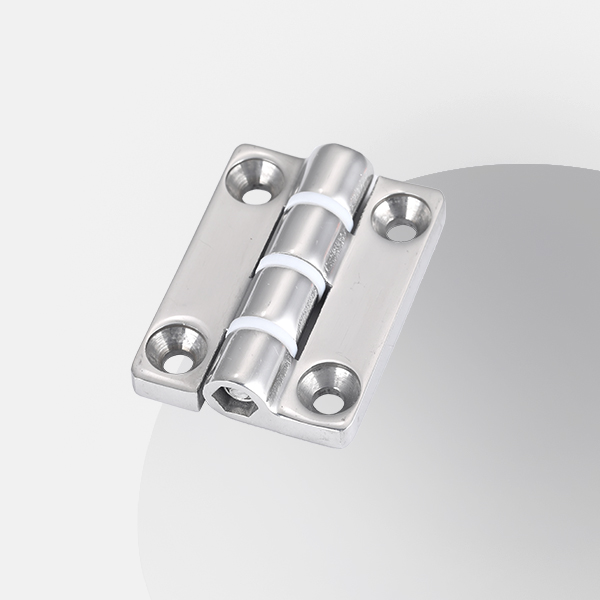
1. Standard Product Order Lead Times from Industrial Hinge Manufacturers
1.1 Typical Standard Product Delivery Times
The standard product delivery lead time for an industrial hinge manufacturer is typically 15 to 30 days. Common specifications such as control box hinges and electrical enclosure hinges can be delivered in as fast as 10 to 15 days due to ample inventory. Standard products refer to items produced with existing molds, fixed dimensions, and no custom design required.
Lead time is calculated from the date of order confirmation and deposit receipt. Factories arrange production scheduling after receiving deposits. Raw material procurement takes 3 to 5 days. Stamping, machining, and surface treatment each take 3 to 5 days. Packaging and quality inspection take 1 to 2 days.
Large industrial hinge manufacturers have shorter standard product lead times due to ample capacity. Small factories with limited equipment may extend lead times to 35 days. Confirm current order backlog and actual scheduling with the factory before procurement.
1.2 Factors Affecting Standard Product Lead Times
Raw material inventory status directly affects lead times. Factories with regular steel inventory can begin production immediately. Factories requiring steel procurement add 5 to 7 days. Stainless steel cabinet hinges raw material procurement cycles are typically longer than carbon steel products.
Factories outsourcing surface treatment have lead times constrained by outsourcing progress. Electroplating and coating outsourcing typically add 3 to 5 days. Factories with in-house surface treatment lines have more controllable lead times. Heavy-duty cabinet hinges surface treatment requirements are high, requiring ample lead time buffer.
Order quantity also affects lead times. Small batch orders can be inserted into production line gaps for shorter lead times. Large batch orders require scheduling waits, extending lead times accordingly. Peak season order concentration typically extends lead times by 5 to 10 days.
1.3 Standard Product Lead Time Optimization Recommendations
Plan procurement in advance to avoid peak seasons. March to May and September to November are peak production seasons for industrial hinge manufacturers. Ordering during off-seasons shortens lead times and secures better pricing. NEMA-rated enclosure hinges procurement should be planned two months in advance.
Choose manufacturers with regular inventory to shorten lead times. Inquire which specifications have stock availability. Stock products can ship within 3 to 7 days. Special structures such as removable enclosure hinges typically have no stock and require scheduling.
Sign framework agreements to lock in capacity. Long-term cooperative customers enjoy production priority. Framework agreements specify lead time guarantee clauses, avoiding capacity displacement during peak seasons.
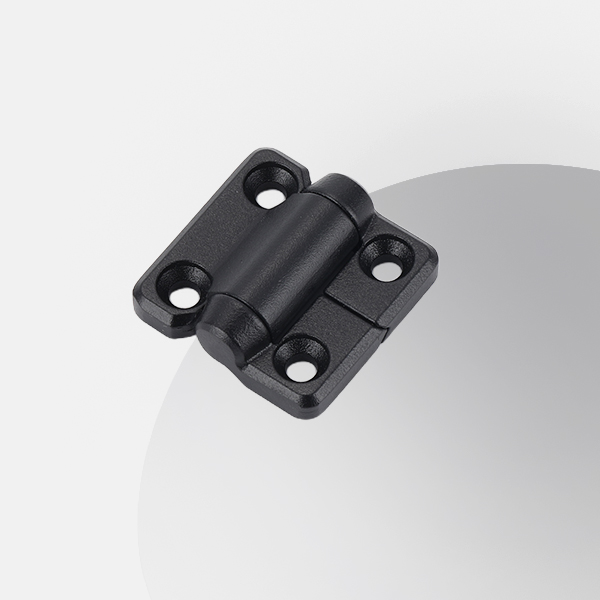
2. Custom Order Lead Times from Industrial Hinge Manufacturers
2.1 Composition of Custom Product Lead Times
The custom product delivery lead time for an industrial hinge manufacturer is typically 45 to 60 days. Custom products go through five stages: design review, mold development, sample production, sample confirmation, and mass production. Each stage requires time investment.
Design review takes 3 to 5 days, with engineering teams reviewing drawings and process feasibility. Mold development takes 7 to 15 days, extended to 20 days for complex molds. Sample production takes 3 to 5 days. Sample confirmation requires customer feedback time. Mass production takes 15 to 20 days.
Custom complexity affects lead times. Simple customizations involving only dimensional adjustments take approximately 45 days. Customizations involving special materials or special functions require 60 days. Industrial enclosure locks custom lead times are basically consistent with hinges.
2.2 Time Control in Sample Confirmation
After sample production, samples are sent to customers for confirmation, with logistics taking 3 to 7 days. Customer testing and feedback take 3 to 5 days. After sample confirmation, mass production begins. Sample confirmation is a key variable in custom lead times.
Timely customer feedback can shorten lead times. Clearly define acceptance standards in advance to reduce repeated modifications. Samples passing on the first attempt save 7 to 10 days. The heavy-duty industrial hinge factory's sample confirmation process requires advance communication.
Sample modifications require re-production, with each round adding 7 to 10 days. We recommend customers provide all modification requests at once during sample review. Reducing modification rounds effectively shortens total lead times.
2.3 Custom Lead Time Optimization Strategies
Provide complete technical drawings and specifications in advance. Clear drawings reduce factory review time. Specify material, surface treatment, and special function requirements. Complete requirements can shorten design review by 3 to 5 days.
Choose manufacturers with experience in similar products. Experienced factories develop molds faster. Similar product molds can be modified and reused, saving 5 to 8 days. Stainless steel cabinet hinges customization should select specialized factories.
Custom projects can be delivered in batches. The first batch delivers partial products to meet urgent needs, with remaining batches completed later. Batch delivery shortens first batch arrival times. Industrial cabinet hinges large-volume customization can adopt this strategy.
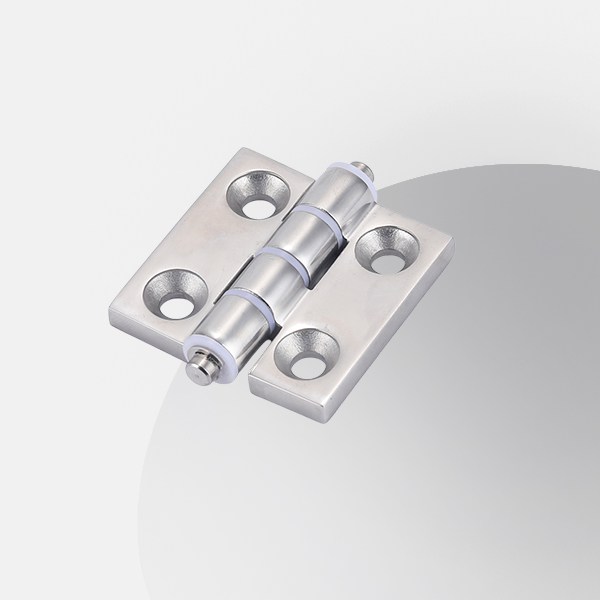
3. Urgent Orders and Expedite Services from Industrial Hinge Manufacturers
3.1 Urgent Order Processing Mechanisms
Industrial hinge manufacturers typically offer urgent order expedite services. Expedited orders can be shortened to 7 to 15 days, with standard product expediting as fast as 5 days. Expedite services require 15 to 20 percent surcharges.
Urgent orders receive production priority, occupying normal capacity. Factories adjust production plans, pausing other orders to make way for urgent orders. Urgent orders require customers to confirm acceptance of expedite fees in advance.
Not all products support expediting. Products with incomplete custom molds cannot be expedited. Products with fixed surface treatment times have limited expedite space. Simple structure products such as control box hinges have high expedite feasibility.
3.2 Suitable Scenarios for Expedite Services
Emergency equipment repairs require rapid hinge replacement. Production line downtime losses far exceed expedite fees. Emergency order channels ensure shipment within 3 to 7 days. Removable enclosure hinges have more emergency replacement needs.
Tight project schedules require compressed procurement cycles. Expedite services ensure projects proceed on time. Expedite fees are reasonably allocated as project costs. Electrical enclosure hinges expedited procurement requires advance confirmation with manufacturers.
New product trial production requires rapid sample acquisition. Expedited samples deliver in 3 to 5 days. This accelerates R&D verification progress. NEMA-rated enclosure hinges sample expediting requires additional sample fees.
3.3 Cost Control for Expedite Services
Plan in advance to reduce urgent order proportions. Urgent orders are costly and disrupt production schedules. Long-term cooperative customers can receive expedite fee discounts. Framework agreements specify annual expedite frequency and costs.
Expedite services should only be used for truly urgent scenarios. Unnecessary expediting increases procurement costs. Negotiate expedite fee sharing with manufacturers. Heavy-duty cabinet hinges expedited procurement requires necessity evaluation.
Spare parts inventory reduces emergency procurement. Reserve spare parts at 3 to 5 percent of procurement volume. Stock consumable parts in advance for unexpected demand. Industrial enclosure locks can be stocked together with hinges.
4. Lead Time Management and Communication with Industrial Hinge Manufacturers
4.1 Lead Time Confirmation and Tracking
Confirm lead time commitments with the industrial hinge manufacturer before ordering. Lead time commitments written into contracts are binding. Request factories to provide production schedules specifying each milestone. Schedules include material procurement, processing, surface treatment, and packaging times.
Regularly track progress during production. Key milestones such as heat treatment and surface treatment require process records. Obtain production progress photos or videos weekly. Address issues promptly through communication.
Confirm shipping time and logistics arrangements one week before delivery. Logistics time is included in total lead times. Domestic transportation takes 3 to 5 days, international sea freight 15 to 30 days. Stainless steel cabinet hinges export logistics require customs clearance time buffer.
4.2 Prevention and Response to Lead Time Delays
Choose manufacturers with ample capacity to reduce delay risks. Factories with capacity utilization below 80 percent have more controllable lead times. Review on-time delivery rate data for the past six months. Factories with rates below 90 percent require careful selection.
Contracts should specify delay compensation clauses. Daily penalties of 0.05 percent of order value constrain factories to deliver on time. Customers have the right to cancel orders if delays exceed 15 days. Compensation clauses prompt factories to prioritize orders.
Maintain backup suppliers to respond to unexpected delays. Two to three qualified suppliers diversify risks. Switch to backup suppliers when primary suppliers delay. The heavy-duty industrial hinge factory's backup suppliers require advance development.
4.3 Long-Term Cooperation to Optimize Lead Times
Sign three-year framework agreements with industrial hinge manufacturers. Long-term cooperative customers enjoy production priority. Framework agreements specify lead time guarantees and price locks. Strategic suppliers typically have shorter lead times than new customers.
Regularly communicate usage feedback to help factories improve. Deepened technical cooperation improves production efficiency. Invite suppliers to participate in new product development and prepare materials in advance. Long-term cooperation on industrial cabinet hinges and electrical enclosure hinges can share capacity planning.
Establish supplier evaluation systems to track lead time performance. Lead time carries 25 percent weight in comprehensive evaluation. Suppliers with consistently excellent on-time rates can be upgraded to strategic partnerships. Suppliers with poor lead time performance require corrective action or elimination.
5. Summary: Industrial Hinge Manufacturer Lead Times
The delivery lead times of industrial hinge manufacturers vary significantly by product type and order nature. Purchasers must plan reasonably and manage effectively.
Standard Products: Typical delivery lead times are 15 to 30 days, with common specifications shortened to 10 to 15 days. Factories with ample raw material inventory and in-house surface treatment lines have shorter lead times. Peak season orders extend lead times by 5 to 10 days; off-season advance procurement is recommended.
Custom Products: Delivery lead times are 45 to 60 days. Design review takes 3 to 5 days. Mold development takes 7 to 15 days. Sample production takes 3 to 5 days. Mass production takes 15 to 20 days. Sample confirmation is a key variable, with first-time approval saving 7 to 10 days.
Urgent Orders: Expedite services can shorten delivery to 7 to 15 days, with the fastest being 5 days. Expedite fees are 15 to 20 percent. Expedite services are used for emergency equipment repairs and tight project schedules. Non-essential expediting should be avoided to control costs.
Lead Time Management: Confirm lead time commitments before ordering and include them in contracts. Regularly track progress during production, with key milestones providing process records. Contracts specify delay compensation of 0.05 percent daily. Maintain two to three backup suppliers to diversify risks.
Control box hinges and electrical enclosure hinges delivery lead times are consistent with standard products. NEMA-rated enclosure hinges and removable enclosure hinges custom lead times require additional buffer time. Establish long-term cooperation with a reliable heavy-duty industrial hinge factory to obtain production priority and shorter lead time guarantees.