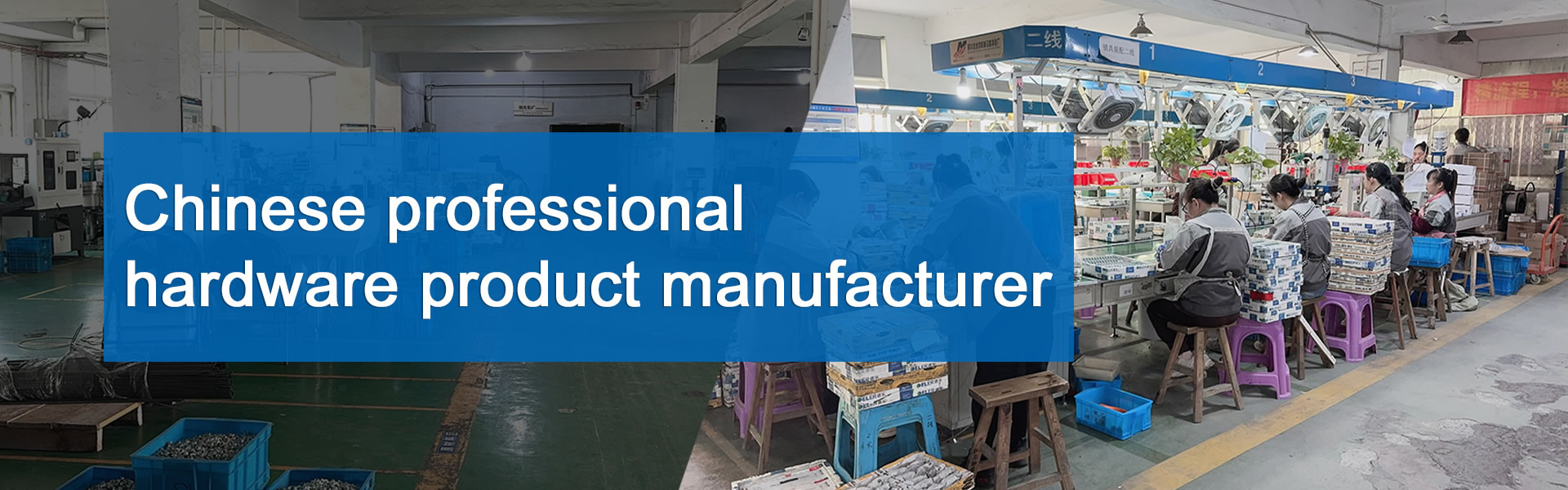
Comparing different industrial hinge manufacturers requires systematic scoring across four dimensions: quality, price, delivery, and service. This article provides a complete comparative evaluation framework. Whether you need a standard heavy-duty hinge or a custom solution, these criteria will guide your supplier selection.
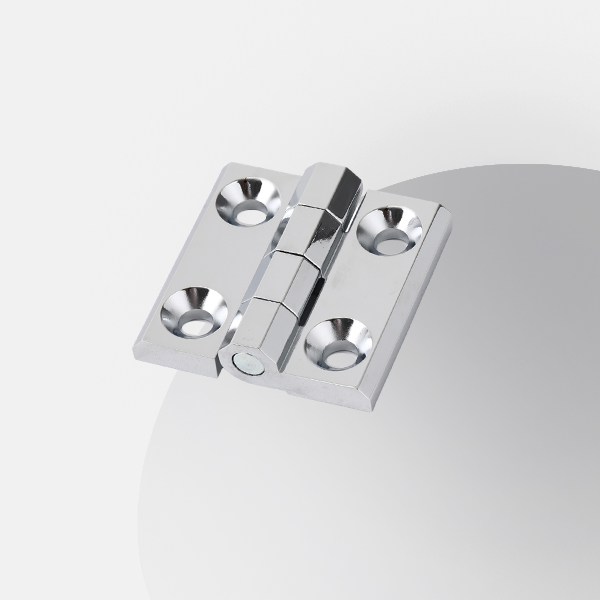
1. Quality System and Product Performance Comparison for Industrial Hinge Manufacturers
1.1 Horizontal Comparison of Certifications and Qualifications
When comparing industrial hinge manufacturers, first horizontally compare system certification completeness. ISO9001 Quality Management System certification is the basic threshold. ISO14001 Environmental certification reflects compliance levels. ISO45001 Occupational Health certification reflects management levels. Manufacturers with all three certifications have stronger overall capabilities.
Product certification comparison focuses on CE, UL, RoHS, and REACH coverage. EU export requires CE certification. North American export requires UL certification. NEMA-rated enclosure hinges must comply with North American electrical standards. Manufacturers with complete certifications can cover more markets.
Third-party test report comparison focuses on laboratory qualifications and report validity. Reports issued by CNAS or CMA accredited laboratories are more authoritative. Sample models in reports must match the procurement products. The heavy-duty industrial hinge factory's certification completeness is the primary screening condition.
1.2 Material and Process Comparison
Compare the material grades used by different manufacturers. Carbon steel categories should be 45# steel or 40Cr alloy steel, not ordinary Q195 cold-rolled steel. Stainless steel categories should be 304 or 316, with 316 adding molybdenum for stronger corrosion resistance. Material differences directly affect product lifespan.
Process comparison focuses on heat treatment and welding quality. Pivot shaft quenching hardness should reach HRC 40 to 45. Weld seams must be full and uniform without porosity, with the heat-affected zone controlled within 5 millimeters. Process levels determine product reliability under extreme conditions.
Stainless steel cabinet hinges pickling and passivation processes require focused comparison. Passivated surfaces have denser oxide films and longer salt spray test durations. Control box hinges welding process comparison is equally important; weld quality affects structural strength.
1.3 Performance Test Data Comparison
Compare load test data provided by different manufacturers. Both static and dynamic load data must be completely provided. Dynamic load should not be less than 70 percent of static values. Electrical enclosure hinges dynamic load data is often overlooked but critical.
Salt spray test data comparison is classified by application environment. Indoor products require not less than 72 hours, outdoor products not less than 300 hours. 304 stainless steel requires not less than 500 hours, and 316 stainless steel exceeds 1,000 hours. Test reports must specify test conditions.
Fatigue test data comparison focuses on gap changes after 50,000 cycles. Qualified products have gap increases not exceeding 0.3 millimeters and pivot shaft wear not exceeding 0.1 millimeters. Heavy-duty cabinet hinges fatigue data determines long-term reliability.
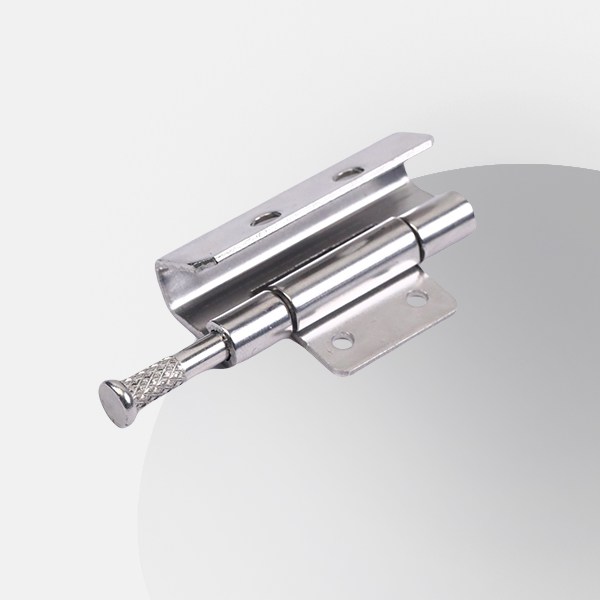
2. Price and Cost-Effectiveness Comparison for Industrial Hinge Manufacturers
2.1 Quotation Completeness and Transparency
When comparing industrial hinge manufacturers, first verify quotation completeness. Quotations should include unit price, mold fees, sample fees, and packaging costs. Mold fees are one-time costs that must be itemized separately. Whether quotations include tax and transportation costs must be clearly marked.
Compare itemized quotations from three or more manufacturers and analyze price differences. Excessively low prices may indicate material downgrading or process compression. Within a reasonable price range, choose the supplier with the best technical solution. ndustrial cabinet hinge price differences typically range from 20 to 30 percent.
Confirm quotation validity periods, typically 30 days. During periods of significant raw material price fluctuations, validity periods shorten to 15 days. Long-term framework agreements can lock in pricing against fluctuations.
2.2 Total Lifecycle Cost Analysis
Compare total lifecycle costs of products from different manufacturers. Carbon steel products have lower unit prices but require periodic maintenance and repainting. Stainless steel products have higher initial investment but are maintenance-free. The heavy-duty industrial hinge factory's comprehensive cost advantage emerges in long-term use.
Calculate five-year total cost of ownership including purchase price, installation fees, and replacement labor costs. Standard products require replacement twice in five years, while quality products last five years without replacement. Unified procurement of industrial enclosure lock and hinge solutions can reduce overall costs by 10 to 15 percent.
Analyze maintenance downtime losses. Quality stainless steel cabinet hinges have low failure rates, avoiding unplanned downtime losses. In harsh environments, quality products have lower total lifecycle costs.
2.3 Volume Discounts and Payment Terms Comparison
Compare volume discount tiers from different manufacturers. Orders of 500 units or more typically qualify for 5 percent discounts, and 1,000 units or more for 10 percent. Long-term framework agreements secure more favorable pricing and production priority.
Payment terms comparison: the 3-3-3-1 structure is optimal, with 30 percent deposit, 30 percent before shipment, 30 percent after receipt and acceptance, and 10 percent after the warranty period.
Compare warranty periods and terms from different manufacturers. Three years is the basic requirement, with five years being better. Warranty response time should not exceed 48 hours. Heavy-duty cabinet hinge warranty terms must match the application environment.
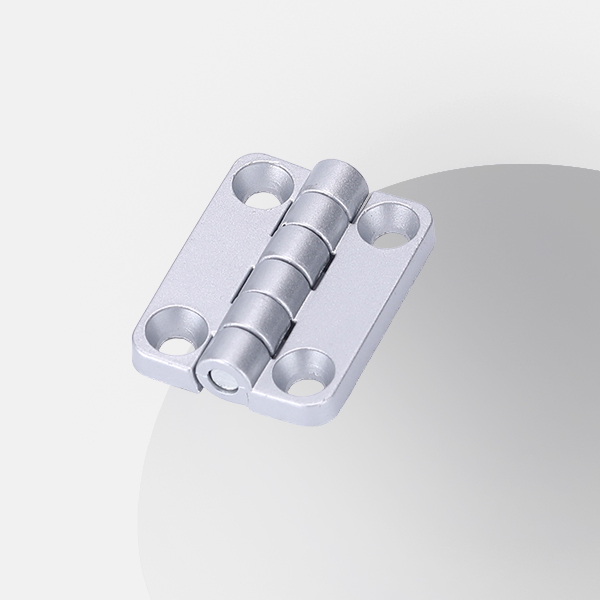
3. Delivery and Production Capacity Comparison for Industrial Hinge Manufacturers
3.1 Horizontal Delivery Cycle Comparison
Compare delivery cycles of industrial hinge manufacturers. Standard products 15 to 30 days. Custom products 45 to 60 days. Overly short lead times may indicate compressed essential processes affecting quality. Overly long lead times may indicate insufficient capacity or poor management efficiency.
Request manufacturers to provide on-time delivery rate data for the past six months. Manufacturers with rates below 90 percent have management problems. Rates above 95 percent are excellent.
Evaluate emergency order response capabilities. Manufacturers with emergency channels can ship within 7 to 10 days. Expedite fees are 15 to 20 percent. Control box hinges emergency order demand is typically higher.
3.2 Capacity and Capacity Margin Comparison
Understand daily output and employee counts of different manufacturers. Single-shift factories have limited capacity, while two or three-shift operations have ample capacity. Review production schedules to confirm sufficient capacity margin for new orders.
Evaluate capacity fluctuations during peak and off-seasons. Peak season capacity constraints may delay delivery. Off-season ample capacity can shorten delivery cycles. Industrial cabinet hinge large-volume orders require advance planning to avoid peak seasons.
Compare capacity flexibility of different manufacturers. Manufacturers with high capacity flexibility can quickly expand production for emergency orders. Manufacturers with low flexibility are prone to delays during order peaks.
3.3 Production Equipment and Automation Level Comparison
Compare production equipment configurations of different manufacturers. CNC punch presses, laser cutting machines, and automated welding equipment ensure product precision and consistency. Manufacturers with advanced equipment offer higher product precision.
Compare heat treatment equipment configurations. Manufacturers equipped with temperature automatic recorders have controllable heat treatment quality. Manufacturers without recording equipment experience significant quality fluctuations. Electrical enclosure hinges heat treatment quality directly affects pivot shaft hardness.
Compare surface treatment production line completeness. Manufacturers with hot-dip galvanizing tanks or powder coating booths can independently control surface treatment quality. Manufacturers outsourcing surface treatment face greater quality control challenges.
4. Service Capabilities and Supplier Evaluation of Industrial Hinge Manufacturers
4.1 Technical Support and Communication Efficiency Comparison
Compare technical team sizes and response speeds of different manufacturers. Manufacturers with design teams of five or more members can quickly respond to customization needs. Technical questions answered within 24 hours are passing. Responses within 4 hours are excellent.
Compare English communication capabilities of international sales teams. Fluent English sales teams reduce communication misunderstandings. Manufacturers providing bilingual technical documentation are more professional.
Compare digital tool configurations. Manufacturers providing online selection tools and quotation systems have higher communication efficiency. NEMA-rated enclosure hinge selection tools help customers quickly match models.
4.2 Sample and Trial Order Policy Comparison
Compare sample policies of different manufacturers. Manufacturers providing free samples demonstrate greater confidence. Sample production cycles of 3 to 5 days are excellent. Samples must use the same materials and processes as mass production products.
Compare trial order policies. Manufacturers accepting small-batch trial orders offer high flexibility. Trial order quantities are 5 to 10 percent of bulk volume. After trial orders pass, formal bulk procurement proceeds.
Compare sample testing support. Manufacturers providing test reports and data are more professional. Manufacturers allowing customers to conduct their own testing demonstrate high transparency. The heavy-duty industrial hinge factory's sample policy reflects its cooperation sincerity.
4.3 Establishing a Supplier Evaluation System
Establish an annual supplier evaluation system covering four dimensions: quality, delivery, price, and service. Quality carries 40 percent weight, delivery 25 percent, price 20 percent, and service 15 percent.
Evaluate quarterly, with comprehensive scores of 80 or above qualifying as approved suppliers. Manufacturers with excellent evaluations for two consecutive years can be upgraded to strategic suppliers. Strategic partnerships provide production priority and price preferences.
Compare long-term cooperation willingness of different manufacturers. Manufacturers willing to sign three-year framework agreements have high cooperation stability. Regularly communicate usage feedback to help factories improve products. Unified procurement of industrial enclosure lock and hinge solutions ensures compatible integration.
5. Summary: Comparing Industrial Hinge Manufacturers
Comparing different industrial hinge manufacturers requires systematic evaluation across four dimensions: quality, price, delivery, and service.
Quality Dimension: Compare system certification completeness including ISO9001, ISO14001, and ISO45001. Product certifications focus on CE, UL, RoHS, and REACH coverage. Material grades should be 45# steel or 40Cr alloy steel, with stainless steel being 304 or 316. Load testing dynamic data should not be less than 70 percent of static values. Salt spray testing for outdoor products should not be less than 300 hours.
Price Dimension: Compare quotation completeness including unit price, mold fees, and packaging costs. Analyze five-year total cost of ownership including purchase price, installation fees, and replacement labor costs. Volume discounts of 5 percent apply for 500 units or more. The 3-3-3-1 payment structure is optimal.
Delivery Dimension: Standard products 15 to 30 days. Custom products 45 to 60 days. On-time rates above 95 percent are excellent. Evaluate capacity margins and capacity flexibility to confirm the ability to meet emergency order requirements.
Service Dimension: Compare technical team response speeds, with responses within 24 hours being passing. English communication capabilities and digital selection tools improve communication efficiency. Establish annual supplier evaluation systems with quality carrying 40 percent weight.
Control box hinge and electrical enclosure hinge manufacturer comparison standards are completely identical to those for industrial cabinet hinges. Stainless steel cabinet hinges and heavy-duty cabinet hinges follow the same evaluation dimensions. Establishing long-term strategic cooperation with a reliable manufacturing partner provides stable supply and comprehensive cost advantages.