Auditing a heavy-duty industrial hinge factory requires assessment across three dimensions: qualifications, production capacity, and quality control. This article provides a complete factory audit checklist. Whether you are auditing a standardheavy-duty hinge supplier or a custom manufacturer, these criteria apply.
1. Qualification Documents and System Certification Audit
1.1 Business License and Scope of Operations
When auditing a heavy-duty industrial hinge factory, first verify the authenticity and validity of the business license. The business scope must include "hinge manufacturing" or "hardware processing" categories. Factories with less than three years of establishment require focused assessment of technical accumulation and customer stability.
Verify the factory's tax registration information and general taxpayer status. Factories with general taxpayer status can issue VAT special invoices. Check the business registration system for any operating irregularities or administrative penalty records.
Request the factory's financial statements or tax payment certificates from the past two years to assess operating conditions. Factories with healthy operations have stable cash flow and timely payment of raw material purchases and employee wages. Financially unstable factories carry risks of delivery delays and quality fluctuations.
1.2 System Certification Document Review
Verify the ISO9001 Quality Management System certification certificate, ensuring it is valid. The certification scope should clearly include "design and manufacturing of hinges." The certification body must be an IAF-recognized member, with certificate numbers verifiable on the certification body's official website.
ISO14001 Environmental Management System certification reflects the factory's environmental compliance level. Review whether the certification scope covers pollution-generating processes such as electroplating and coating. ISO45001 Occupational Health and Safety certification focuses on employee safety protection measures.
Factories with all three system certifications have standardized management and stable quality. Certificate copies should bear the factory's official stamp. Factories unable to provide valid certifications have loose production process control. Industrial cabinet hinge quality system audit standards are consistent with these requirements.
1.3 Product Certification and Test Reports
Export products require CE certification (EU) or UL certification (North America). Review whether the certified product models cover the procurement specifications. Certification certificates must be issued by Notified Bodies or accredited laboratories.
Review material test reports, salt spray test reports, and fatigue test reports. Reports must be issued by third-party laboratories with CNAS or CMA accreditation. Sample models in the reports must match the procurement products.
Test report dates should be within one year. Expired reports do not reflect current product quality. RoHS and REACH environmental test reports are essential documents for export. Continuous hinges certification requirements are identical to those for industrial cabinet hinges.
2. Production Capacity and Equipment Level Audit
2.1 Production Equipment Configuration Audit
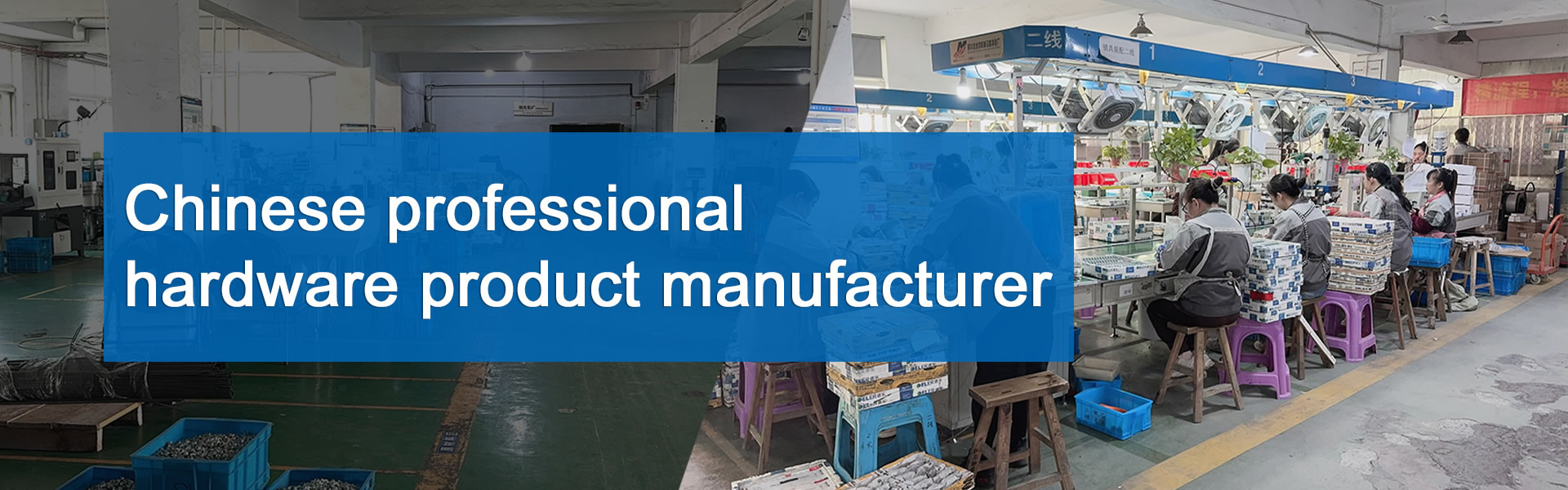
Audit on-site the heavy-duty industrial hinge manufacturer's stamping equipment, machining equipment, and welding equipment. Factories with 25-ton or larger punch presses and CNC machining centers offer higher precision. Equipment quantity must match production capacity to avoid delivery delays due to insufficient equipment.
Check whether heat treatment equipment is equipped with temperature automatic recorders. Quenching and tempering temperature control precision directly affects pivot shaft hardness. Heat treatment processes without temperature recording equipment have uncontrolled quality.
Surface treatment production lines must have hot-dip galvanizing tanks or powder coating booths. Coating lines should include three complete stages: pre-treatment, powder application, and curing. Factories outsourcing surface treatment have greater quality control challenges; review outsourcing management processes during the audit.
2.2 Testing Equipment and Laboratory Audit
Audit whether the factory is equipped with hardness testers, tensile testing machines, and salt spray test chambers. Hardness testers are used to inspect pivot shaft and leaf hardness. Tensile testing machines verify whether material tensile strength meets requirements.
Salt spray test chambers should have continuous spray capability with capacity not less than 100 liters. Check whether laboratory equipment calibration certificates are within validity. Uncalibrated equipment produces unreliable test data.
Coordinate measuring machines or optical projectors are used to inspect dimensional precision. Factories with advanced testing equipment have strong quality control capabilities. Industrial-grade cabinet hinges require high dimensional precision, so testing capabilities require focused attention.
2.3 Capacity and Delivery Lead Time Assessment
Understand the factory's daily output and current order backlog. Inquire about employee count and production shifts. Single-shift factories have limited capacity. Review the production schedule to confirm whether there is sufficient capacity margin for new orders.
Standard product delivery lead time is 15 to 30 days. Custom products require 45 to 60 days. Overly short lead times may indicate compressed essential processes affecting quality. Overly long lead times may indicate insufficient capacity or poor management efficiency.
Request the factory's on-time delivery rate data for the past six months. A rate below 90 percent indicates management problems. Electrical enclosure hinges delivery lead time audit standards are consistent with other hinge types.
3. Quality Control and On-Site Management Audit
3.1 Raw Material Incoming Inspection Audit
Audit whether the factory's raw material incoming inspection process is standardized. After steel arrives, verify whether material re-verification and dimension inspection are performed. Review raw material inspection records and approved supplier lists.
Confirm whether the factory has long-term supply agreements with designated steel mills. Reputable mills provide stable material quality with traceable sources. Factories without fixed steel sources experience significant product quality fluctuations.
Spot-check material markings and storage conditions of inventory steel. Steel should be stored off the ground to prevent moisture and rust. Different grades of steel should be stored in separate areas with clear markings. Raw material traceability is the foundation of quality control.
3.2 Production Process Control Audit
Audit whether the factory has established critical control points for key processes. Stamping, heat treatment, and welding processes should have work instructions. On-site observe whether workers follow work instructions and whether process parameters are recorded.
Check heat treatment temperature curve records and hardness spot-check records. Each batch should have complete process parameter records. Heat treatment processes without records have untraceable quality.
Welding processes should have welding procedure specifications and welder qualification certificates. Welding parameters such as current, voltage, and speed must strictly follow the process card. Industrial enclosure hinges weld quality directly affects structural strength.
3.3 Finished Product Inspection and Non-Conforming Product Handling
Audit whether finished product inspection follows the GB/T 2828.1 standard for sampling inspection. Appearance, dimensions, and function are mandatory inspection items. Review finished product inspection records and non-conforming product handling records.
Non-conforming products should be clearly identified and stored in quarantine areas. Reworked products should be re-inspected and approved before entry into warehouse. Concession acceptance should have customer written approval.
Review quality statistics and continuous improvement records. Industrial enclosure lock finished product inspection standards indicates effective quality system operation. A downward trend requires corrective actions and effectiveness verification. Industrial enclosure locks finished product inspection standards should be unified with hinges.
4. On-Site Environment and Employee Competency Audit
4.1 Workshop 5S Management Audit
On-site observe workshop 5S management implementation. Materials should be neatly arranged with clear aisles. Tools and gauges should have fixed positions with identification.
Work surfaces and equipment should be clean and free of oil. Scrap and trimmings should be promptly removed. Factories with good 5S management have strong quality awareness.
Safety protection measures should be in place. Employees should wear protective goggles and gloves. Safety facilities such as fire extinguishers and emergency lighting should be functional. Factories with standardized safety management have orderly production.
4.2 Employee Operation Standards Audit
Observe whether employee operations are skilled and standardized. Stamping processes should have hand safety devices. Welding processes should include face shields and gloves.
Inquire about employee understanding of quality standards and inspection requirements. Factories with regular quality training records have employees with strong quality awareness. Non-standard operations directly cause product defects.
Review employee attendance and training records. Stable and skilled workforces ensure product quality consistency. High turnover factories experience significant quality fluctuations. The heavy-duty industrial hinge manufacturer's employee competency is the soft power of quality assurance.
4.3 Warehouse and Logistics Management Audit
Audit whether finished product warehouse storage conditions are dry and well-ventilated. Finished products should be stored off the ground with dust prevention measures. Different specifications should be stored in separate areas with clear identification.
Check inventory turnover. Factories with excessive slow-moving inventory face financial pressure. Review shipping records and logistics tracking information. Packaging should be secure and suitable for long-distance transport.
Packaging boxes should contain product certificates and instruction manuals. Industrial enclosure locks and hinge packaging should follow unified standards. Standardized warehouse and logistics management ensures intact product delivery.
5. Summary: Heavy-Duty Industrial Hinge Factory Audit Checklist
Auditing a heavy-duty industrial hinge factory requires comprehensive evaluation across four dimensions: qualification documents, production capacity, quality control, and on-site management.
Qualification Documents: Verify business license scope includes hinge manufacturing. ISO9001, ISO14001, and ISO45001 system certifications complete and valid. Export products require CE or UL certification. Material test reports, salt spray test reports, and fatigue test reports issued by CNAS-accredited laboratories and within validity.
Production Capacity: On-site audit stamping, machining, and heat treatment equipment configuration. Confirm capacity margin meets order requirements. Testing laboratory equipped with hardness testers, tensile testing machines, and salt spray test chambers with regular calibration. Standard product delivery 15 to 30 days, custom products 45 to 60 days.
Quality Control: Audit raw material incoming inspection standardization and steel source traceability. Critical processes have work instructions and process parameter records. Finished product inspection follows GB/T 2828.1. Non-conforming products clearly identified and quarantined with handling records.
On-Site Management: Observe workshop 5S management implementation. Materials neatly arranged with clear aisles. Employees operate according to standards with protective equipment. Regular quality training records complete. Finished product warehouse dry and well-ventilated with good inventory turnover.
Industrial cabinet hinges and continuous hinges follow the same factory audit standards. Establish regular audit mechanisms with the heavy-duty industrial hinge manufacturer to effectively ensure product quality stability and delivery reliability.