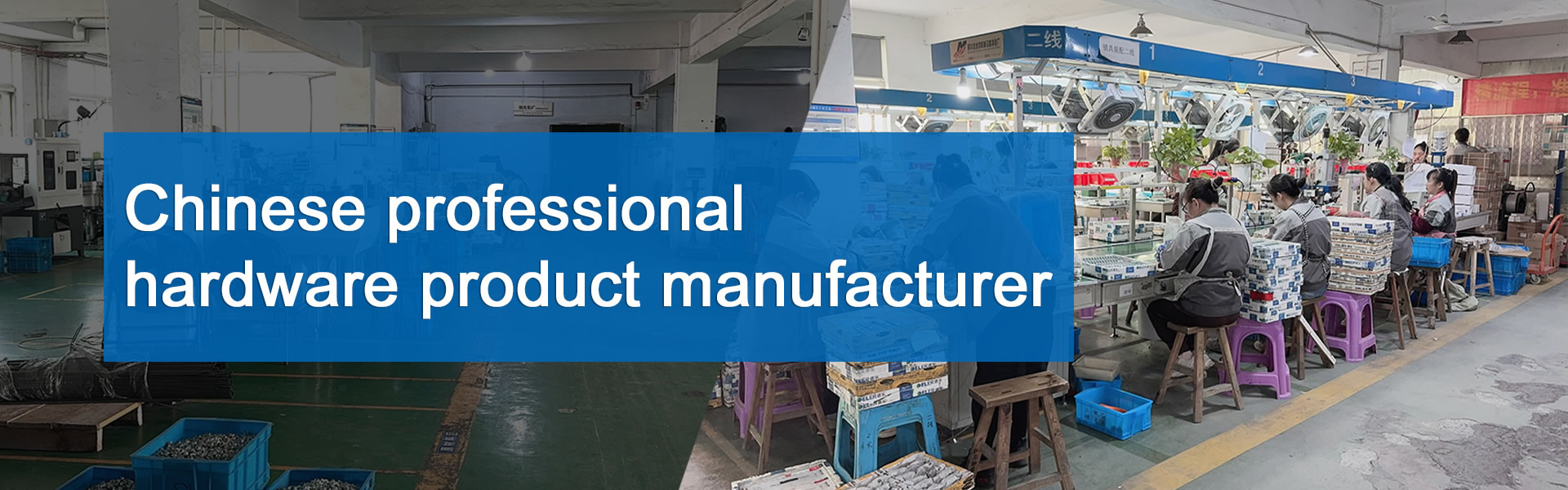
Heavy-duty industrial hinges are classified into multiple types by installation method, material, and function. This article systematically organizes three classification dimensions covering nine mainstream products.
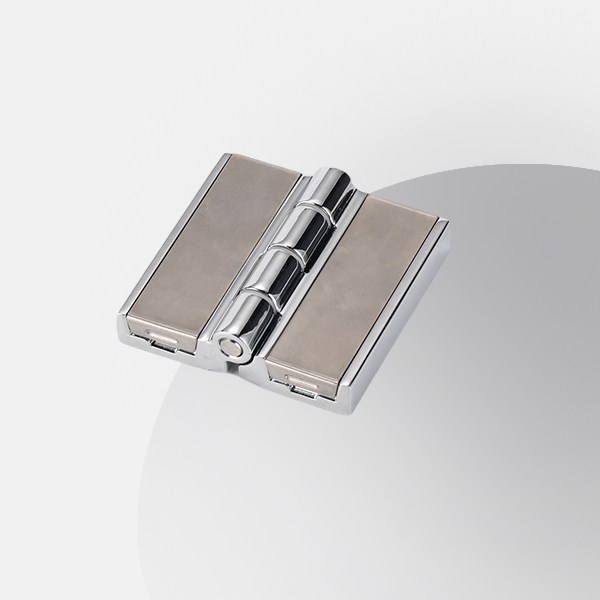
1. Types by Installation Method
1.1 Welded Heavy-Duty Industrial Hinges
Welded versions are fixed directly to the door frame by electric welding, with no removable external parts. These heavy-duty industrial hinges offer extremely strong anti-theft performance, suitable for high-security scenarios such as outdoor cabinets, charging stations, and telecom base stations. Installation requires tack welding for positioning, confirming smooth door panel opening and closing before completing the full weld.
Weld seams must be full and uniform without porosity, with the heat-affected zone controlled within 5 millimeters. These products have no bolt loosening risk, maintaining stable clearance over long-term use. Full welding uses a segmented method, with each weld segment not exceeding 30 millimeters, alternating welding on both sides to prevent thermal deformation.
Once installed, welded versions cannot have their position adjusted, requiring extremely high positioning accuracy. Precisely measure door-to-frame gaps before welding, controlling the top and bottom gap difference within 2 millimeters. Heavy-duty cabinet hinges widely adopt welded designs to enhance protection ratings.
1.2 Bolted Heavy-Duty Industrial Hinges
Bolted versions secure leaves to the door panel and cabinet using screws or bolts. These heavy-duty industrial hinges are easy to disassemble and replace, suitable for vibration environments such as areas near generators or air compressors. Bolts can be retightened when loose, making maintenance very convenient.
During installation, apply medium-strength thread-locking compound to the threads to prevent loosening from long-term vibration. These products have lower maintenance costs, requiring only quarterly torque wrench retightening. Using Grade 8.8 high-strength bolts improves load capacity by approximately 15 percent.
For cabinets requiring frequent internal equipment access, these products allow quick door panel removal. When purchasing replacement parts, confirm hole spacing with the heavy-duty industrial hinges manufacturer to match the original product. Industrial cabinet hinges are most widely used in bolted configurations due to outstanding maintenance convenience.
1.3 Removable Heavy-Duty Industrial Hinges
Removable versions feature a detachable pivot shaft design, allowing the door panel to be lifted upward and removed directly. These heavy-duty industrial hinges suit equipment requiring frequent internal component inspection, such as power distribution cabinets and control boxes. The upper leaf features an open slot, while the lower leaf serves as a solid load-bearing seat.
During installation, lift the door panel, align it with the slot, and lower it into place for locking. For removal, reverse the operation to take off the door panel without removing any screws. These products allow door panel removal without disassembling any fasteners. Load capacity is typically 10 to 15 percent lower than welded types, so allow extra margin during selection.
Removable versions are widely used in food processing equipment for easy regular cleaning. When paired with industrial enclosure locks, anti-theft protection is enhanced. Confirm durability test data for the removable mechanism with the heavy-duty industrial hinges manufacturer.
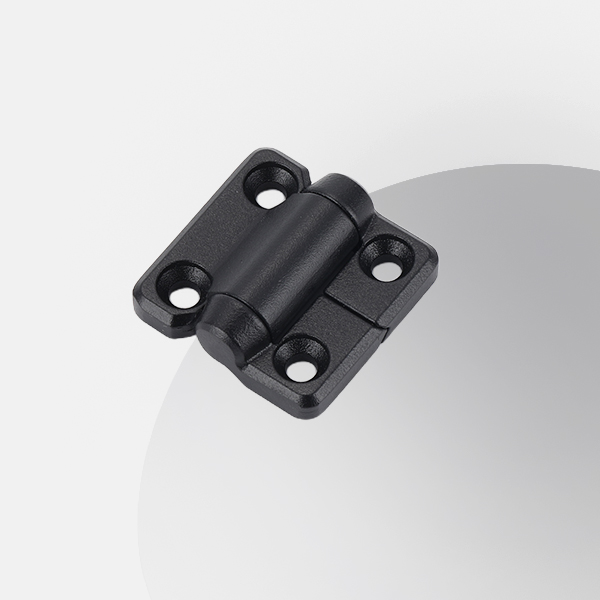
2. Types by Material
2.1 Carbon Steel Heavy-Duty Industrial Hinges
Carbon steel is the most basic material for these products. After hot-dip galvanizing or electrophoretic coating, rust resistance is significantly improved. Carbon steel versions offer lower cost and suit ordinary industrial cabinets in dry indoor environments. Single-unit load capacity reaches 200 to 300 kilograms, meeting most industrial requirements.
Carbon steel versions rust easily in humid environments, with corrosion accelerating once the coating is damaged. When selecting carbon steel versions, request salt spray test reports from suppliers. Indoor use requires no less than 72 hours, and outdoor use no less than 300 hours. Regularly check coating integrity during maintenance.
After quenching and tempering, overall mechanical properties of carbon steel versions improve by 30 percent. Leaf thickness of 4 to 6 millimeters meets standard requirements. Heavy-duty industrial hinge manufacturers have mature processing capabilities for carbon steel, resulting in short lead times.
2.2 Stainless Steel Heavy-Duty Industrial Hinges
Stainless steel versions are cast or stamped from 304 or 316 stainless steel, offering excellent corrosion resistance. 304 stainless steel achieves over 500 hours in salt spray testing, while 316 stainless steel exceeds 1,000 hours. The silver-white metallic luster requires no additional coating and remains rust-free for ten years.
Stainless steel versions have slightly lower hardness than carbon steel but offer better toughness and impact resistance. They suit highly corrosive environments such as coastal areas, chemical plants, and wastewater treatment facilities. The premium appearance makes them suitable for equipment with visual requirements and cleanroom applications.
Stainless steel versions cost more but offer the lowest total lifecycle cost in harsh environments. When purchasing, confirm the stainless steel grade and salt spray test reports with the heavy-duty industrial hinges manufacturer. Industrial cabinet hinges in coastal applications must use stainless steel material.
2.3 Forged Steel Heavy-Duty Industrial Hinges
Forged steel versions are manufactured through high-temperature forging, resulting in dense grain structure and strength far exceeding cast products. Leaf thickness typically exceeds 8 millimeters, with pivot shaft diameters reaching 25 millimeters. Single-unit load capacity exceeds 500 kilograms, with some special products reaching 1,000 kilograms.
Forged steel versions achieve HRC 32 to 36 hardness after quenching and tempering, with excellent wear resistance. Pivot shafts are quenched to HRC 40 to 45 hardness and used with bronze bushings. Impact resistance is more than twice that of carbon steel, with fatigue life exceeding 100,000 cycles.
Forged steel versions cost three to five times more than ordinary carbon steel but last over 15 years. Mining machinery, port equipment, and large press guards require forged steel material. Heavy-duty cabinet hinges in extreme heavy-load scenarios rely on forged steel as irreplaceable.
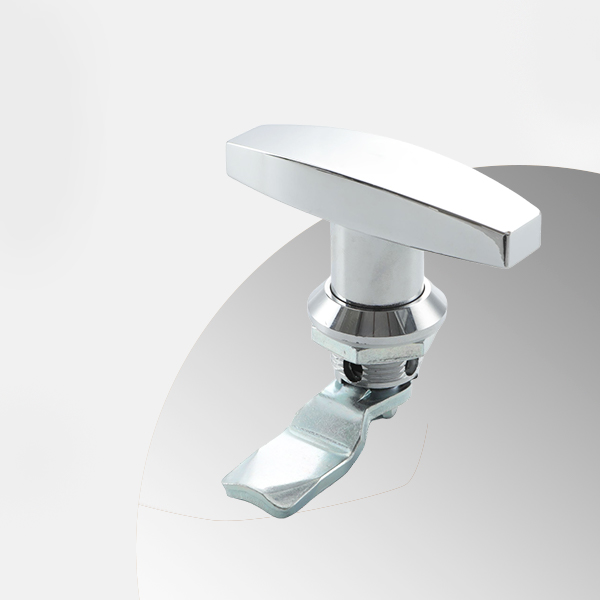
3. Types by Function
3.1 Standard Heavy-Duty Industrial Hinges
Standard versions provide only basic rotational opening and closing functions, with simple structure and lower cost. They suit standard opening and closing scenarios such as standard power distribution and server cabinets. They have no damping or position-limiting functions, with operating feel depending entirely on lubrication condition.
Standard versions typically have flat leaf designs, with thickness of 4 to 6 millimeters and pivot shaft diameters of 10 to 16 millimeters. Selection is primarily based on load capacity and installation method, with clear functional requirements. For budget-constrained projects, standard versions offer the best cost performance.
Standard versions can be configured with welded, bolted, or removable installation. Heavy-duty industrial hinges manufacturer typically offers multiple installation options. Daily maintenance only requires regular lubrication to maintain good condition.
3.2 Damping Heavy-Duty Industrial Hinges
Damping versions feature built-in hydraulic cushioning modules that automatically slow door closing during the final 15 to 20 degrees. They suit cabinets housing precision instruments or fragile components, preventing impact vibration from door slamming. Cushioning speed can be adjusted via an adjustment screw, with clockwise turning slowing down and counterclockwise speeding up.
Damping versions cost approximately 30 percent more than standard types but offer significant protection. They effectively protect internal equipment and extend seal life. Widely used in hospital imaging equipment, laboratory test cabinets, and optical instrument enclosures.
The damping module has passed over 50,000 durability tests to ensure long-term effectiveness. Industrial enclosure locks paired with damping hinges form a complete protection solution. Confirm damping module maintainability with the heavy-duty industrial hinges manufacturer.
3.3 Position-Limiting Heavy-Duty Industrial Hinges
Position-limiting versions feature a ratchet locking mechanism at specific angles, allowing the door to lock firmly at 90 or 180 degrees without wobbling. They suit scenarios where maintenance personnel need both hands for instrument operation, preventing the door from swinging back and causing injury. The locking mechanism has passed over 10,000 durability tests to ensure long-term reliability.
To unlock, lift the door panel slightly or press the release button, with slight design variations among different brands. Position-limiting versions are required by regulations for power maintenance cabinets, marine equipment, and elevated work platforms. Locking load capacity is not less than 50 percent of the rated load.
The ratchet and pawl mechanism of position-limiting versions is hardened to prevent wear under long-term use. Elevated work scenarios must use position-limiting versions to ensure maintenance personnel safety. Industrial enclosure locks paired with position-limiting hinges form a complete safety protection solution.
4. Summary: Heavy-Duty Industrial Hinges Types Overview
Heavy-duty industrial hinges are classified into three categories by installation method: welded, bolted, and removable. Welded types offer strong anti-theft protection for outdoor fixed equipment. Bolted types facilitate maintenance for vibration environments. Removable types enable quick disassembly for frequent inspection scenarios. Welded types offer the highest load efficiency, while removable types have slightly lower capacity requiring extra margin.
By material, they are classified into carbon steel, stainless steel, and forged steel. Carbon steel is economical for indoor dry environments. Stainless steel offers corrosion resistance for coastal outdoor and food/pharmaceutical applications. Forged steel provides ultimate load capacity for extreme heavy-load scenarios in mines and ports. Carbon steel with hot-dip galvanizing achieves 300 hours salt spray testing. 304 stainless steel achieves 500 hours, 316 stainless steel exceeds 1,000 hours. Forged steel service life exceeds 15 years.
By function, they are classified into standard, damping, and position-limiting types. Standard types meet basic opening and closing needs. Damping types protect precision instruments from vibration. Position-limiting types ensure safety for elevated maintenance work. Damping speed is adjustable, and position-limiting locking capacity is not less than 50 percent of rated load.
Different types can be combined, such as stainless steel welded or carbon steel bolted configurations. Communicate usage environment and frequency with a professional heavy-duty industrial hinges manufacturer for precise recommendations. Heavy-duty cabinet hinges and industrial cabinet hinges follow the same classification logic. Correct selection is the prerequisite for safe equipment operation.