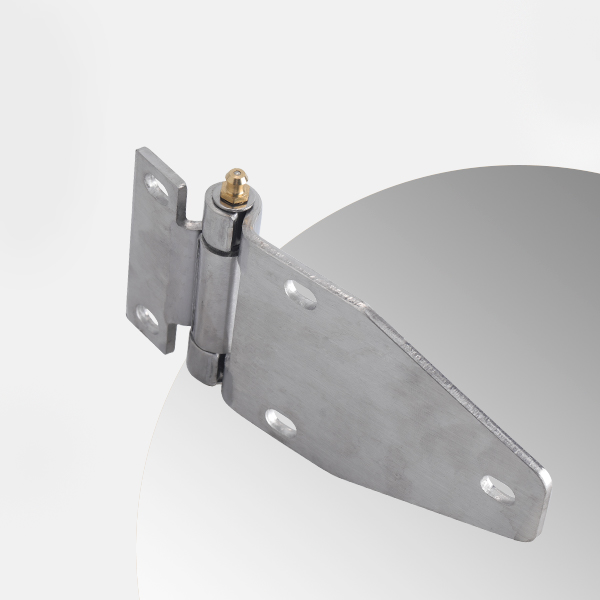
Heavy-duty hingesare widely used across industrial, outdoor, and specialty equipment applications. This article systematically covers six core application areas to help you make precise selection decisions.
1. Core Applications in Industrial Manufacturing
1.1 Industrial Cabinets and Power Distribution Systems
Heavy-duty hinges are the standard hardware for industrial cabinet and power distribution door panels. These equipment doors typically weigh 50 to 150 kilograms, and standard hardware cannot withstand long-term opening and closing cycles. With load capacities exceeding 200 kilograms, these hinges ensure doors remain sag-free and deformation-free, protecting internal precision components.
Industrial cabinet hinges are essential for power distribution and server racks containing sensitive electrical components that demand high sealing and stability. These load-bearing hinges maintain uniform door-to-frame gaps, preventing dust and moisture ingress. In frequent maintenance scenarios, their high-cycle life advantage is particularly notable, maintaining precision after 50,000 cycles.
Data center expansion in 2026 continues to drive demand for industrial cabinet hinges in server racks. When selecting these products, pay attention to surface treatment processes and fit precision. They work together with industrial enclosure locks to form a complete cabinet protection solution.
1.2 Heavy Machinery Safety Guards
Safety guards on stamping presses, forging machines, and large presses must use heavy-duty industrial hinges. These guards often weigh over 200 kilograms and endure frequent impact loads. Forged steel versions perform most reliably in these scenarios, with single-unit load capacities exceeding 500 kilograms.
Crushers in mining operations and crane inspection doors also rely on heavy-duty industrial hinges. Under extreme conditions, these products must combine high load capacity with impact resistance. Their pivot shafts are quenched to HRC 40-45 hardness for excellent wear resistance.
Smart manufacturing upgrades in 2026 are driving demand growth for industrial-grade versions. Automated workstations and robotic cells require higher door cycle frequencies. When selecting these products, evaluate daily cycle counts and consider self-lubricating bushings.
1.3 Material Handling and Storage Equipment
Inspection doors and sampling ports on belt conveyors utilize these products. These machines operate in high-dust and high-vibration environments. Their sealing and vibration resistance directly affect maintenance convenience and operational safety.
Access doors on automated warehouse racks also need these products. Storage equipment doors are large but open infrequently, requiring long-term stability. Carbon steel versions offer the best cost-performance in indoor dry environments.
Smart warehousing systems in 2026 demand higher equipment reliability, making product service life a key metric. Regular fastener inspection helps prevent failures.
2. Outdoor and Infrastructure Applications
2.1 Telecom Base Stations and Outdoor Cabinets
Telecom base station and 5G outdoor cabinet doors require stainless steel hinges. These enclosures face prolonged exposure to weather and temperature fluctuations, creating high corrosion risks. Stainless steel versions achieve salt spray resistance exceeding 500 hours, ensuring ten years of rust-free performance.
Outdoor cabinet doors typically weigh 40 to 80 kilograms, making 200-kilogram rated versions sufficient. However, coastal base stations should use 316 stainless steel for stronger chloride corrosion resistance. Waterproof sealing is equally critical, with protection ratings needing IP65 or higher.
5G network coverage expansion in 2026 continues to drive outdoor cabinet hardware demand. When selecting these products, pay attention to drain hole design and dust-shedding structures. Reliable versions significantly reduce outdoor equipment maintenance frequency.
2.2 EV Charging Stations and New Energy Facilities
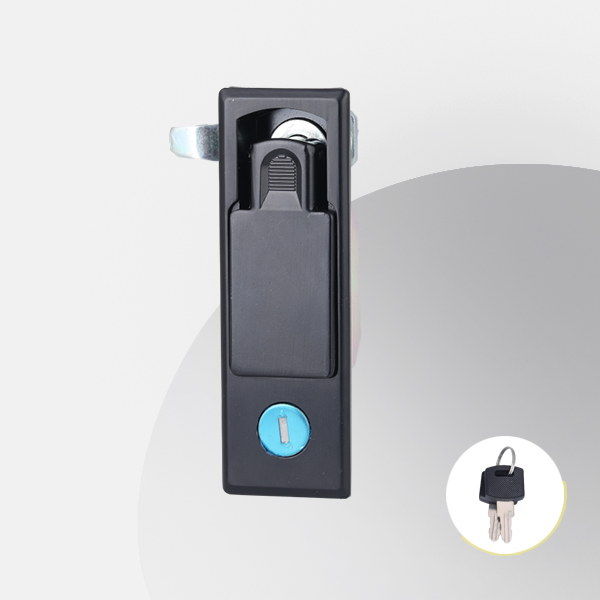
Electric vehicle charging station doors and access panels frequently rely on these products. Charging stations are in public areas and must withstand frequent opening and rough use. Anti-theft and anti-vandalism design is particularly important here, with industrial enclosure locks providing enhanced security.
Charging station doors contain circuit modules and billing systems with strict dust and water protection requirements. Adjustable hinges with concealed designs .offer better security and a clean appearance. Their pivot shafts should be fully internal with no removable external parts.
Global charging station construction entered rapid growth in 2026, with supporting hardware demand rising steadily. Operators prefer suppliers offering long-term warranties. Before purchasing, confirm weather resistance and anti-theft test data with the heavy-duty hinges factory.
2.3 Municipal Facilities and Traffic Equipment
City power distribution boxes, traffic signal cabinets, and surveillance equipment enclosures all incorporate these products. These facilities are scattered outdoors with long maintenance intervals. Their maintenance-free performance directly affects municipal operating costs.
Bridge and tunnel access doors must withstand continuous vibration from vehicle traffic. Anti-loosening design is critical here. Bolted versions with thread-locking compound effectively prevent vibration-induced loosening.
Smart city initiatives in 2026 are driving standardization of various outdoor enclosures. Municipal procurement has clear requirements for salt spray testing and wind load resistance. Confirm whether products hold relevant civil engineering certifications.
3. Specialty Industries and Emerging Applications
3.1 Marine and Offshore Engineering Equipment
Electrical cabinets and control boxes on ship decks require copper alloy or stainless steel versions. Marine environments are highly corrosive, and standard materials rust severely within months. 316 stainless steel is the preferred choice for marine equipment, with salt spray resistance exceeding 1,000 hours.
Access doors and hatch covers on offshore platforms also depend on these products. These applications require explosion-proof and non-sparking characteristics. Copper alloy versions, though load-limited, are irreplaceable in explosion-proof scenarios.
Localization of offshore engineering equipment accelerated in 2026, with stricter corrosion resistance standards. Marine versions must pass classification society certification. Request marine product type approval certificates when selecting these products.
3.2 Food Processing and Pharmaceutical Equipment
Equipment doors in food processing plants and pharmaceutical cleanrooms use stainless steel versions. These environments require frequent washing and disinfection. Smooth, grooveless surfaces prevent contamination and resist chemical cleaner corrosion.
Access doors and feed ports on food machinery depend on these products for sealing. Bushings must be well-sealed to prevent lubricant leakage and product contamination. Food-grade lubricants are essential for these applications.
Food safety regulations became stricter in 2026, making hygienic design a procurement requirement. Confirm whether materials comply with FDA or EU food contact standards.
3.3 Aerospace and Specialty Vehicles
Aircraft ground support equipment and airport baggage handling system access doors use aluminum alloy versions. These applications require lightweight construction with high strength. Titanium alloy versions are increasingly used in aerospace.
Mobile generators and specialty vehicle equipment doors use these products to handle driving vibration. These applications require both impact and fatigue resistance. Bolted versions facilitate field repair and replacement.
The low-altitude economy and general aviation development in 2026 are driving related equipment demand. Aviation-grade versions must pass rigorous vibration and thermal cycling tests. Verify whether the heavy-duty hinges factory holds aviation industry supply qualifications.
4. Commercial and Public Facility Applications
4.1 Commercial Buildings and Public Facilities
Doors and access panels in large commercial buildings use these products for high-frequency use. Public area doors open hundreds of times daily, and standard hardware fails quickly. The 50,000-cycle life ensures long-term reliable operation.
Hospital and laboratory access doors require these products with sealing systems. These environments demand strict door sealing and stability. Smooth-surface versions facilitate cleaning and disinfection, meeting hygiene standards.
School gymnasiums and exhibition center access doors also depend on these products. Their impact resistance handles the high-frequency opening during peak foot traffic.
4.2 Smart Access Control and Security Systems
Heavy doors in smart access control systems require these products with industrial enclosure locks. Anti-theft design prevents forced door removal. Concealed pivot shafts enhance overall security levels.
Security doors in prisons and bank vaults must use specially designed versions. These hinges need to pass explosion and cutting resistance tests. Heavy-duty hinges factories can provide custom security solutions.
The smart security market grew rapidly in 2026, with sensor-equipped versions becoming more common. Real-time load monitoring can detect abnormal door conditions and identify safety issues early.
4.3 Transportation Hubs and Public Spaces
Large access doors and inspection doors at railway stations and airports all use these products. Transportation hubs have high foot traffic and extremely high door usage frequency. Durability and reliability are critical here.
Fire doors and equipment room doors at subway stations and underground passages use these products to meet fire safety codes. They must maintain structural integrity at high temperatures for specified periods. Fire test reports are essential for these applications.
Public transportation facility upgrades in 2026 are driving demand growth. When selecting these products, pay attention to fire ratings and durability test data.
5. Summary: Heavy-Duty Hinges Application Areas
Heavy-duty hinges cover four major sectors: industrial manufacturing, outdoor infrastructure, specialty industries, and commercial public facilities.
Industrial Manufacturing: Used as industrial cabinet hinges for power distribution and server racks. Heavy-duty industrial hinges serve press and mining equipment guards. Material handling access doors also depend on these products.
Outdoor Infrastructure: Telecom base stations, EV charging stations, and municipal facilities require stainless steel versions to withstand weather and corrosion.
Specialty Industries: Marine applications use copper alloy or stainless steel versions. Food and pharmaceutical sectors need smooth-surface stainless steel versions. Aerospace applications use titanium or aluminum alloy lightweight versions.
Commercial Facilities: Large building doors, smart security access, and transportation hub doors all use these products for high-frequency use.
Selection Guide: Choose material by environment: carbon steel for indoor use, stainless steel for outdoor coastal use, forged steel for extreme heavy loads. Choose structure by installation method: welded for security, bolted for maintenance access, adjustable for door frame deformation.
Communicate usage environment and cycle frequency thoroughly with a professional heavy-duty hinges factory for accurate recommendations. These products work with industrial enclosure locks to form a complete cabinet protection solution, enhancing overall security.