Views:118 Author: Dele-Heavy-Duty Industrial Hinge Manufacturers Publish Time:2026-03-21 Origin:Dele-Industrial cabinet lock manufacturer
This comprehensive industrial hinges buying guide from Dele Hinge Manufacturer helps you understand key parameters and selection points to ensure reliable equipment door connections and long-term performance.
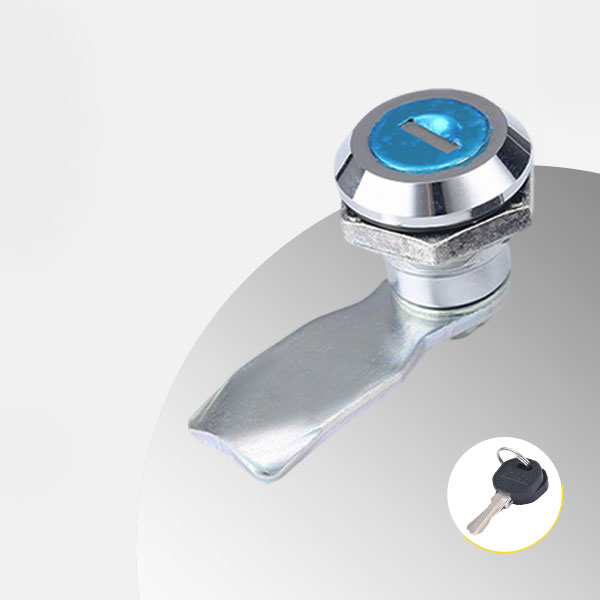
In any industrial hinge buying guide, The first type to understand is the standard hinge-style industrial hinge.
This hinge features a simple construction consisting of two metal plates connected by a pivot pin, representing the most common door connection method. Standard hinges offer low cost and easy installation, making them suitable for lightweight cabinets and distribution boxes. However, their load capacity remains relatively limited, making them inappropriate for large or heavy doors.
When selecting, pay attention to the opening angle specifications. Standard products typically support 180-degree opening, while some special designs can achieve 270 degrees. Material selection impacts service life. Carbon steel offers practicality, while stainless steel excels in rust resistance, making it ideal for humid or corrosive environments.
Based on installation location, industrial hinges divide into two categories: concealed and exposed.
Concealed industrial hinges mount inside door panels, offering a clean appearance and enhanced security features because hidden hinges increase tampering difficulty. This design proves particularly suitable for equipment enclosures with aesthetic requirements.
Exposed industrial hinges mount on door exteriors, providing easier installation and maintenance, while typically offering higher load capacity. In this industrial hinge buying guide, we recommend weighing security needs against appearance requirements. Exposed hinges suit industrial equipment requiring frequent maintenance, while concealed hinges better serve commercial display cabinets and similar applications.
Load capacity represents the core indicator in any industrial hinge buying guide.
Each industrial hinge carries rated static load and dynamic load parameters requiring precise calculation based on door weight. Generally, heavy equipment cabinet doors require industrial hinges that support over 50 kilograms, with three or more hinges recommended to distribute loads effectively.
Size specifications include hinge length, thickness, and mounting hole spacing. Standardized dimensions facilitate bulk purchasing and replacement, though special equipment may require customized non-standard products. During measurement, ensure that door-to-frame clearance dimensions are confirmed to allow hinges to operate smoothly without interfering with other components.
Quality industrial hinges typically use cold-rolled steel, stainless steel, or zinc alloy construction.
304 stainless steel offers excellent corrosion resistance, making it the preferred choice for food machinery and medical equipment. Carbon steel, after electroplating or coating treatments, can also serve effectively in general industrial environments.
Surface finishing processes directly impact rust resistance and appearance quality. Zinc plating provides basic corrosion protection, while powder coating adds color options and increased surface hardness. For harsh environments, we recommend selecting industrial hinges certified through salt spray testing to ensure stable operation in humid or chemically corrosive conditions.
Choosing well-known brands for industrial hinges effectively reduces quality risks. International certification marks such as ISO quality management system certification and CE safety certification serve as important quality endorsements.
Reputable industrial cabinet lock factories typically provide detailed technical specification sheets and installation guidance, with more comprehensive after-sales service.
We recommend requesting samples for actual testing, as mentioned in this industrial hinge buying guide. On-site testing includes checking opening and closing smoothness, load capacity verification, and durability assessment. Observe whether hinges develop looseness or unusual noises after repeated operation, as these details reflect manufacturing precision and material quality.
While price remains an important consideration, this industrial hinge buying guide emphasizes avoiding blind pursuit of low prices. Low-quality hinges may cause door sagging, poor sealing, or even safety hazards, and replacement costs often exceed initial savings.
We recommend tiered purchasing based on equipment usage frequency and criticality. Select premium products for critical equipment while choosing economical solutions for secondary applications.
Bulk purchasing typically secures better pricing, but requires verifying supplier delivery stability and quality consistency. Establishing long-term partnerships provides access to technical support and priority supply guarantees, which prove crucial for production planning.
This industrial hinge buying guide systematically introduces hinge type selection, performance parameter evaluation, and procurement strategy development.
Correct industrial hinge selection requires comprehensive consideration of load requirements, environmental conditions, installation methods, and budget constraints. Whether choosing standard hinges or concealed designs, quality materials and precision manufacturing remain the foundation of reliability.
We recommend that procurement professionals thoroughly understand industrial hinge technical specifications, prioritize products with authoritative certifications, and verify performance through actual testing.
Proper industrial hinge configuration not only ensures normal equipment door functionality but also extends overall equipment service life while reducing maintenance costs.
We hope this industrial hinge buying guide provides professional reference for your equipment component procurement, supporting safe and stable industrial equipment operation